Bed bug thermal and chemical remediation addresses the unique biology of Cimex lectularius, an insect that conceals itself within 1 millimeter crevices, electrical plates, and crown molding. Standard chemical-only…
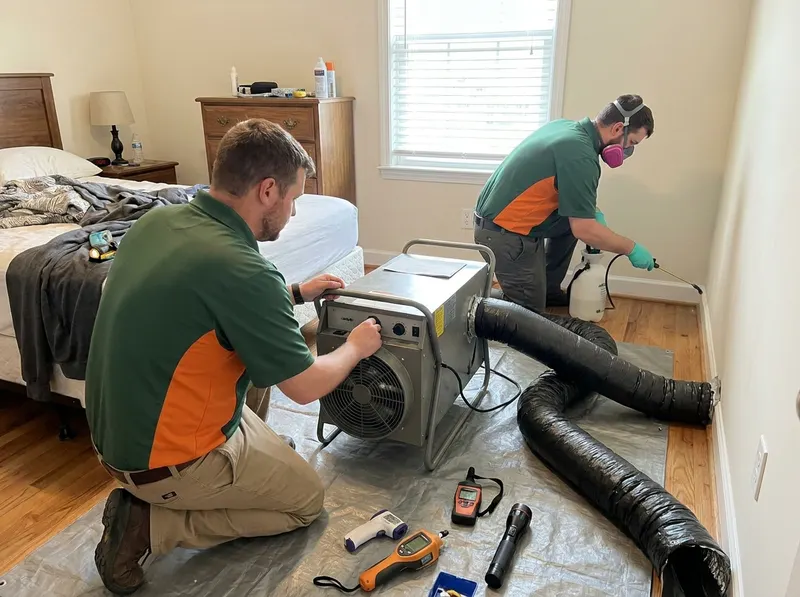
Bed bug thermal and chemical remediation addresses the unique biology of Cimex lectularius, an insect that conceals itself within 1 millimeter crevices, electrical plates, and crown molding. Standard chemical-only route spraying often prompts bed bugs to scatter into adjacent wall voids, creating recurring secondary flare-ups. In contrast, thermal remediation deploys commercial forced-air heating units that elevate ambient room temperatures to between 122°F and 135°F. Sustaining this temperature coagulates cellular proteins and desiccates eggs that are chemically impervious. Applying dual-action non-repellent residuals and silica dusts into wall plates, subfloors, and utility penetrations establishes a persistent perimeter barrier that eliminates any wandering specimens exiting deep structural cavities.
Selecting the correct methodology depends directly on structure type, clutter density, and infestation boundaries. A chemical remediation protocol suits contained single-room introductions caught early, particularly within modern slab builds in Cornerstone or detached single-story residences in Fort Hill. Whole-structure thermal treatment is the clinically decisive solution for multi-level historical structures with lathe-and-plaster walls, heart-pine flooring, and complex architectural crevices found throughout Rivermont, Federal Hill, Diamond Hill, and College Hill. The trade-off between the two approaches balances preparation complexity against completion speed: chemical treatments require multiple visits spaced 14 days apart to interrupt the egg hatch cycle, whereas thermal heat treatment achieves complete colony collapse in one day but necessitates removing heat-sensitive electronics, pressurized canisters, and meltable items beforehand.
Properties bordering high student-density corridors near Liberty University, the University of Lynchburg, and Randolph College face regular re-introduction pressure through frequent tenancy transitions. Multi-unit rental configurations in Wyndhurst and single-family suburban layouts along Boonsboro and Timberlake require precise isolation protocols to prevent lateral migration across shared party walls and crawl spaces. Each intervention resolves the contamination directly through target elimination without locking property owners into perpetual monthly subscription fees.
Every job gets a firm, written price after a free on-site visit.
Tell us about your bed bug thermal and chemical remediation job in Lynchburg and we'll send a clear, written quote, usually the same day.
 Quervia Pest Elimination